

Buyer Backs Out After Inspection | Kentucky
What Happens When a Buyer Backs Out After the Inspection in Kentucky?
A buyer backing out after the inspection can be one of the most stressful situations a Kentucky home seller faces. The seller may have already accepted an offer, made plans around the closing date, and started preparing for the move—only to discover that the buyer no longer wants to proceed.
The common mistake is assuming that an accepted offer automatically means the buyer is committed to purchasing the property no matter what the inspection reveals.
That is not necessarily the case.
In Kentucky, what happens next depends heavily on the contract terms, inspection provisions, deadlines, and reason for the buyer's withdrawal. Understanding those factors before accepting an offer can help sellers make better decisions and respond strategically if a buyer attempts to walk away.
Why This Situation Matters for Sellers in Mount Washington KY
For sellers in Mount Washington and throughout Bullitt County, an inspection is a major milestone in the transaction.
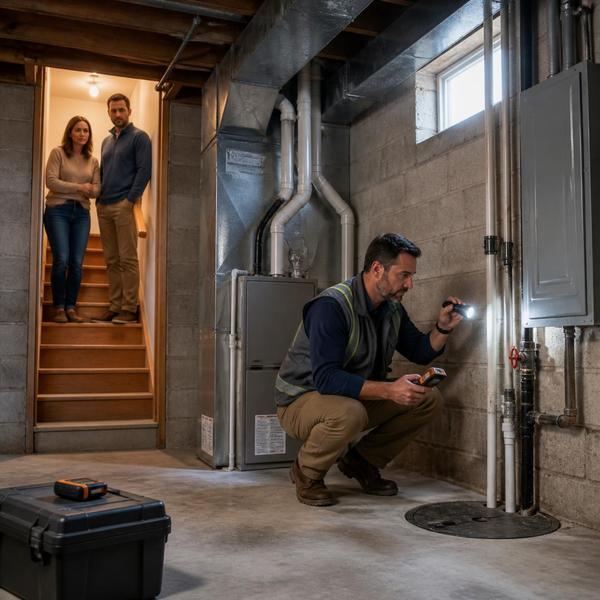
A buyer's inspection may identify anything from routine maintenance items to significant concerns involving the roof, HVAC, plumbing, electrical system, foundation, drainage, moisture, or other components of the property.
The inspection itself does not automatically give a buyer an unlimited right to cancel.
Instead, the contract controls what the parties agreed to regarding inspections and the buyer's options.
This distinction is important because a seller who immediately assumes the transaction is dead may overlook opportunities to negotiate, preserve the contract, or move forward with another strategy.
The same principles matter for sellers competing in surrounding markets such as Jefferson, Spencer, Nelson, Shelby, Hardin, and Oldham counties.
Can a buyer back out after an inspection in Kentucky?
A buyer may have the ability to terminate a transaction after an inspection if the contract provides that right and the buyer follows the required procedures and deadlines. The exact answer depends on the specific contract.
What Most Sellers Get Wrong About Inspection Contingencies
One of the biggest misconceptions is that an inspection contingency means the buyer can always walk away for any reason at any time.
That is too simplistic.
Inspection provisions are contractual. The parties may have agreed to specific deadlines, procedures, negotiation rights, repair requests, or termination provisions.
The buyer's options can therefore depend on what was actually negotiated and written into the contract.
Another mistake is treating every inspection finding as a major defect.
Home inspections commonly identify maintenance items and conditions that are not unusual for a lived-in property. A seller should not automatically agree to every repair request simply because an inspector included something in a report.
The opposite mistake can be just as damaging: dismissing a serious issue because the seller has lived with it for years.
The strategic response requires separating minor maintenance, legitimate condition concerns, safety issues, and significant defects rather than reacting emotionally to the inspection report.
What Can Happen After the Buyer Finds Problems?
When a buyer identifies concerns during an inspection, several outcomes may be possible depending on the contract.
1. The Buyer Continues With the Purchase
The buyer may decide that the inspection findings are acceptable and proceed toward closing.
This is often the simplest outcome.
2. The Buyer Requests Repairs
The buyer may ask the seller to address specific issues.
The seller can evaluate the request and determine what, if anything, makes sense to negotiate.
3. The Parties Negotiate
Instead of completing every requested repair, the parties may negotiate another solution when permitted by the contract.
Possible negotiated approaches can involve repairs, credits, price adjustments, or other contractual terms.
The appropriate option depends on the situation and the contract.
4. The Buyer Terminates
If the buyer has a contractual right to terminate and properly exercises that right, the transaction may end.
At that point, the seller's next steps become critical.
5. The Seller Disputes the Termination
If the seller believes the buyer did not have the contractual right to cancel, the situation may become a contract dispute.
This is where sellers should avoid guessing.
What happens if a buyer backs out after the inspection in Kentucky?
The seller should first review the purchase agreement and inspection-related provisions to determine whether the buyer's termination is permitted, whether deadlines were met, and what happens to the transaction and earnest money under the contract.
For questions involving contractual rights or potential disputes, sellers should obtain advice from a qualified Kentucky real estate attorney.
What Should a Seller Do If the Buyer Wants to Walk Away?
The first priority is to avoid making an emotional decision.
A seller should gather the relevant documents, including the purchase agreement, inspection-related notices, and communications concerning the buyer's request or termination.
Next, the seller should determine exactly why the buyer is backing out.
There is a significant difference between a buyer saying, "The inspection found more issues than expected," and a buyer attempting to terminate after a contractual deadline has passed.
The seller should also avoid agreeing to release earnest money or making other concessions without understanding the contractual consequences.
If there is uncertainty about the buyer's legal rights or the seller's obligations, qualified legal guidance is appropriate.
The real estate strategy should then focus on what happens next: renegotiation, continuing the transaction, terminating according to the contract, or preparing to return the property to the market.
Local Market Strategy After a Failed Contract
A failed transaction does not automatically mean the home is undesirable.
In Mount Washington KY, a seller may still have strong buyer demand depending on the property's price, condition, location, and competition at the time.
However, the seller should understand why the first transaction failed.
If the buyer walked away because of a serious property condition, simply relisting the home at the same price without addressing the underlying concern may create another problem.
If the buyer's decision was based on an issue that can be explained, corrected, documented, or appropriately reflected in the property's pricing, the seller may be able to reposition the home more effectively.
The same analysis can apply when evaluating buyer demand across Bullitt County and surrounding counties.
A seller's goal should not be merely to find another buyer quickly. The goal is to reduce the likelihood of repeating the same problem.
How Sellers Can Reduce Inspection-Related Risk Before Listing
The strongest strategy often begins before an offer is ever received.
Sellers can consider a pre-listing inspection, address obvious maintenance concerns, organize documentation for major repairs, understand the condition of key systems, and price the property according to its actual market position.
That preparation can make inspection negotiations more predictable.
It can also help a seller distinguish between a legitimate issue and a buyer simply asking for concessions.
How can sellers prepare for a buyer's inspection in Kentucky?
Sellers can prepare by understanding the home's condition, addressing reasonable maintenance issues, documenting completed work, reviewing the likely inspection concerns, and establishing a negotiation strategy before accepting an offer.
The objective is not to make a home perfect. It is to eliminate avoidable surprises and enter negotiations from a position of knowledge.
Team Pruitt: Strategic Guidance for Mount Washington Sellers
Team Pruitt understands that an accepted offer is only one stage of a real estate transaction.
Amy Pruitt, Andrew Pruitt, and Bobby Pruitt bring a local perspective to helping sellers navigate pricing, preparation, negotiations, inspections, and the decisions that can determine whether a transaction reaches the closing table.
For sellers in Mount Washington and Bullitt County, understanding inspection contingencies before accepting an offer can be just as important as understanding the offer price itself.
The strongest offer is not always the one with the highest number. Contract terms, contingencies, deadlines, financing, and the overall likelihood of reaching closing all matter.
Selling a Home in Mount Washington KY?
A buyer backing out after an inspection can feel like starting over, but it does not have to derail the seller's overall strategy.
Team Pruitt can help sellers evaluate the circumstances, understand their options within the transaction, assess the home's market position, and determine the smartest path forward.
Whether the goal is to preserve an existing contract, negotiate inspection concerns, or prepare for a new buyer, a clear strategy can help protect the seller's time, money, and negotiating position.

Categories
Recent Posts




GET MORE INFORMATION